
How to plan a milestone birthday party event
Planning a milestone birthday is exciting, but it can also feel overwhelming once you start thinking through all the moving parts. Whether it’s a 30th, 40th, or a major celebration with a larger guest list, having a clear plan early on makes everything much easier to manage.
If you’re not sure where to begin, focusing on a few key areas will help you stay organised and avoid last-minute stress. Here are five practical steps to guide your planning.
1. Decide on and book the venue early
Weekends are always the most popular time for events, which means venues can book out quickly. Whether you’re hosting at home, using a community space, or booking a restaurant or bar, securing your location early gives you a solid foundation for the rest of your planning.
Once your venue is confirmed, it becomes much easier to make decisions around layout, timing, and how the event will flow.
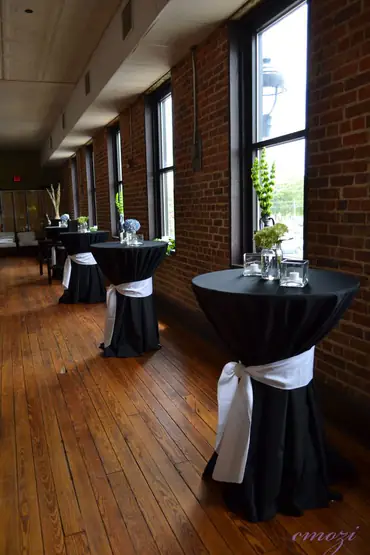
2. Understand what you already have and what you’ll need
Once you know your venue, take stock of what’s already available and what still needs to be organised. This could include seating, tables, lighting, or music, depending on the type of event you’re planning.
If you’re hosting at home or in a more open space, you may need to think more carefully about how everything will come together. Creating a simple checklist at this stage helps you stay on track and ensures nothing is overlooked.
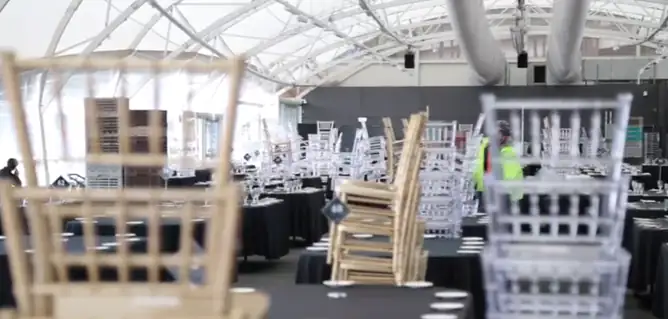
3. Send invitations with enough notice
Giving guests plenty of notice makes a big difference to attendance. The earlier people know about your event, the more likely they are to keep the date free.
Once you start receiving RSVPs, you’ll also have a clearer idea of numbers, which helps with planning food, seating, and overall logistics. Digital invitations or event pages can make it easier to track responses and keep guests updated.
4. Plan food and drinks ahead of time
Food usually requires more preparation than drinks, so it’s worth planning this early. If your event is at a venue, they may offer set menus or packages that simplify the process.
For more casual gatherings, options like shared platters or simple cooked food can work well and keep things relaxed. The key is choosing something that suits both your space and the number of guests attending.
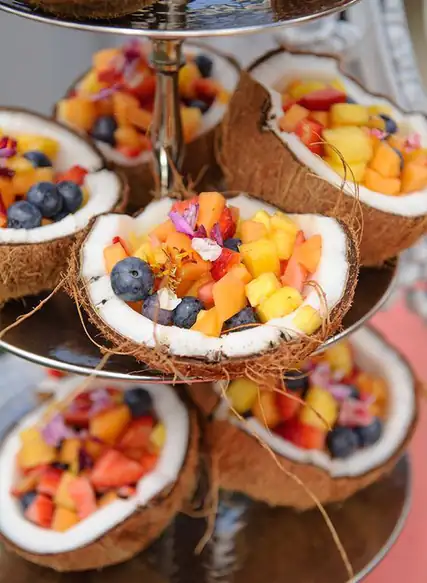
5. Don’t try to do everything yourself
Planning a larger event can quickly become time-consuming, so it helps to share the load. Friends and family are often happy to help, whether that’s setting up, organising parts of the day, or assisting behind the scenes.
Spreading out responsibilities not only makes the process easier, but also allows you to enjoy the event without being tied up in logistics.
If you're planning your setup and want to explore options for different types of events, you can view our party range here.