
Planning a wedding on a budget
Budget pressure is one of the most common challenges when planning a wedding. Costs can escalate quickly, and without a clear plan, it’s easy to make decisions that feel right in the moment but stretch things further than expected. The key isn’t cutting everything back — it’s understanding where your money actually makes a difference.
Start with priorities, not numbers
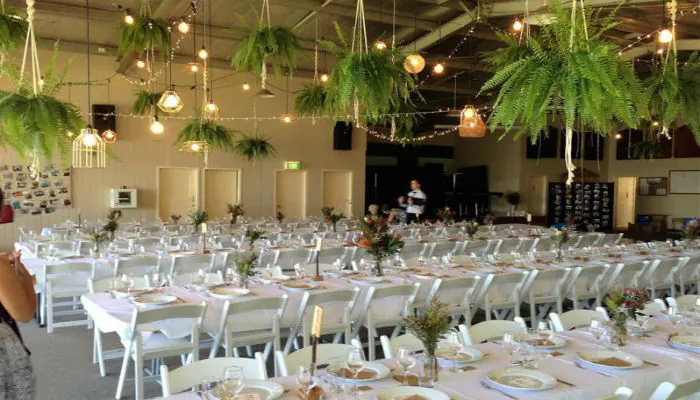
Before setting a strict budget, decide what matters most to you. For some couples, it’s the atmosphere and experience. For others, it’s the location or the guest list. When you’re clear on priorities early, it becomes much easier to allocate your budget with intention rather than reacting to costs as they appear.
Understand what really drives cost
The biggest influence on overall spend is usually guest count. Every additional person affects catering, seating, space requirements and more. Venue decisions also play a major role, especially when pricing is structured per guest. Keeping these factors in check early can prevent unexpected increases later on.
Keep the guest list intentional
Smaller weddings are becoming more common, and for good reason. A focused guest list not only helps control costs, but often creates a more relaxed and personal atmosphere. Rather than inviting broadly, many couples choose to keep things centred around close friends and family.
Be mindful of hidden extras
It’s often the smaller additions that quietly inflate a budget. Decorative upgrades, custom details and add-ons can seem minor individually, but they add up quickly. If something doesn’t meaningfully improve the experience for you or your guests, it’s worth reconsidering.
Make practical decisions around logistics
Simple planning choices can have a noticeable impact on both cost and stress levels. Holding your ceremony and reception in the same location, for example, reduces transport requirements and keeps the day flowing more smoothly. Fewer moving parts generally means fewer unexpected expenses.
Consider where DIY makes sense
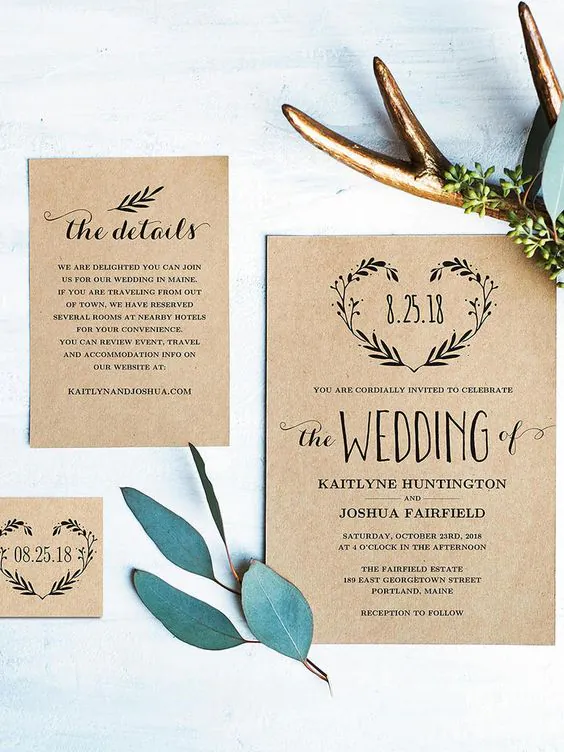
Some elements can be handled yourself if you enjoy the process and have the time. Invitations, signage and smaller details are often areas where couples choose to add a personal touch. However, it’s important to balance effort with practicality — not everything needs to be done yourself to be meaningful.
Focus on experience over excess
Guests tend to remember how a wedding feels more than individual details. Good company, a comfortable environment and a relaxed atmosphere will always have more impact than unnecessary extras. When in doubt, prioritise what contributes to the overall experience rather than individual upgrades.
Plan early and track decisions
One of the most effective ways to stay within budget is to track spending from the beginning. Even a simple list of decisions and associated costs can help you stay aware of where your budget is going. This makes it easier to adjust before things get too far off track.
Choose simple, flexible gift options
Many couples now opt for alternatives to traditional gift registries. Contributions towards future plans or shared goals are often more practical and easier for guests. It also avoids the need to manage physical gifts after the event.
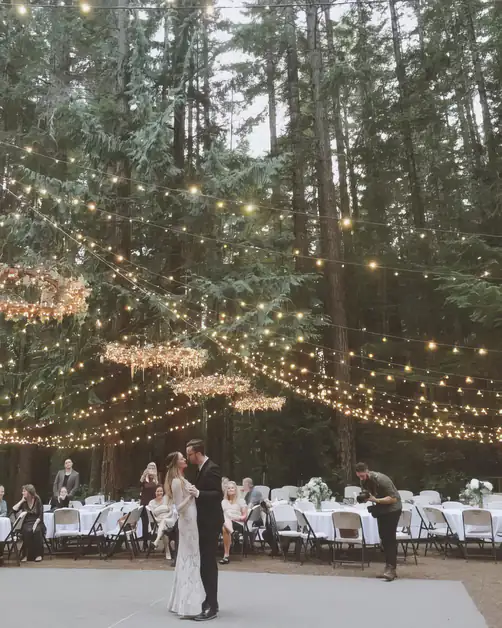
Planning a wedding on a budget doesn’t mean compromising on the experience. With clear priorities and thoughtful decisions, it’s possible to create a day that feels complete without unnecessary pressure.
Once you’ve mapped out your priorities and budget, you can start exploring how different wedding setups come together in practice. View our wedding event range.