Top five wedding hire tips
Planning a wedding involves a lot of moving parts, and it’s easy to overlook details that only become obvious later. While advice is everywhere, not all of it is practical when you’re trying to make real decisions. These five tips focus on the areas that tend to cause the most issues if left too late.
1. Lock in your venue before anything else
Your venue influences almost every other decision. It determines your layout, guest capacity, timing, and what’s already included. Without this locked in, it’s difficult to plan anything else properly.
Once confirmed, you can start mapping out the rest of your event with much more clarity, rather than guessing or making assumptions that may need to be changed later.
2. Get a clear list of what’s actually included
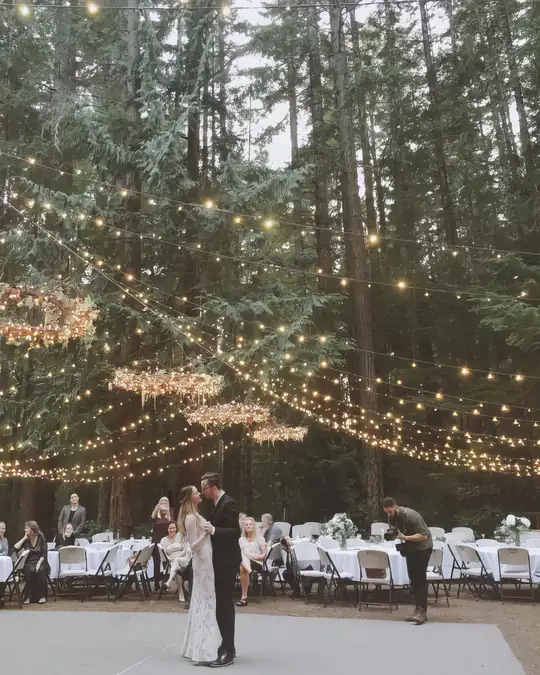
Not all venues provide the same inclusions, and assumptions here can cause problems later. Confirm exactly what is supplied, in what quantity, and whether there are any additional costs attached.
It’s also worth checking the quality and type of what’s included. For example, knowing the style and number of chairs or tables available early helps avoid last-minute adjustments.
3. Prioritise layout before smaller details
Before focusing on styling or finishing touches, get a clear idea of how the space will work. This includes seating arrangements, walkways, and how different parts of the event connect.
Once the layout is sorted, everything else becomes easier to plan, from décor to timing. Skipping this step often leads to cramped spaces or awkward flow on the day.
4. Create a simple run sheet
On the day itself, timing matters more than most people expect. A basic run sheet helps keep everything aligned, especially when multiple suppliers are involved.
This doesn’t need to be overly detailed. The goal is to make sure everyone knows when they need to arrive, set up, and pack down, so the day runs without confusion.
5. Keep things realistic and manageable
It’s easy to take on too much during the planning process. Focus on the parts that matter most to you and allow some flexibility in the rest.
When the key elements are well planned, the day will feel far more relaxed, both for you and your guests.